When it comes to diamonds, the sparkle and brilliance have long symbolised luxury, love, and timelessness. However, a new player is reshaping the diamond industry: lab-grown diamonds. These gems are gaining popularity for their ethical sourcing, affordability, and identical composition to natural diamonds. But what exactly are lab diamonds, and how do they compare to their earth-mined counterparts?
What Are Lab Diamonds?
Lab diamonds, also known as synthetic diamonds or cultured diamonds, are diamonds created in a laboratory environment rather than being formed naturally within the Earth’s crust. They are made using advanced technology that mimics the high-pressure, high-temperature conditions under which natural diamonds form.
Unlike diamond simulants like cubic zirconia or moissanite, lab diamonds are chemically, physically, and optically identical to natural diamonds. This means that both types of diamonds are composed of carbon atoms arranged in a crystal lattice structure, giving them the same hardness, brilliance, and clarity.
How Are Lab Diamonds Made?
Lab diamonds are created using one of two methods:
High Pressure-High Temperature (HPHT): This method replicates the natural conditions under which diamonds form deep within the Earth. A diamond "seed" (a small piece of carbon) is placed under extreme heat and pressure, encouraging carbon atoms to crystallise around the seed, creating a larger diamond.
Chemical Vapour Deposition (CVD): In this method, a diamond seed is placed inside a vacuum chamber filled with carbon-rich gas, such as methane. The gas is heated, causing carbon atoms to break apart and settle on the seed, slowly forming a diamond layer by layer.
Both methods result in genuine diamonds, and the choice of method primarily depends on the manufacturer’s resources and preferences.
How Do Lab Diamonds Compare to Natural Diamonds?
Visually, lab-grown diamonds are indistinguishable from natural diamonds, even to professional gemologists. To tell the difference, you would need specialised equipment that can detect subtle growth patterns unique to lab diamonds.
Here are a few key comparisons between lab and natural diamonds:
Appearance: Lab diamonds and natural diamonds have the same sparkle, brilliance, and clarity. They come in all shapes and sizes, just like mined diamonds.
Durability: Both lab and natural diamonds rank 10 on the Mohs scale of hardness, making them extremely durable and perfect for daily wear.
Price: Lab diamonds are less expensive than their natural counterparts. This is because lab-grown diamonds avoid the complex and costly mining process, reducing overall production costs.
Ethics and Sustainability: One of the biggest appeals of lab diamonds is their potential for ethical and eco-friendly production. Traditional diamond mining has a history of environmental harm and ethical concerns. Lab diamonds can offer a more sustainable alternative, with a lesser environmental impact and fully traceable origins, this can depend on supplier.
Value: While lab diamonds are real diamonds, they may not hold their value due to their abundance and lower price point. Diamonds in general shouldn't be purchased for an investment, as even with natural diamonds the value can depreciate.
Lab-grown diamonds represent a modern, innovative approach to a centuries-old symbol of love and luxury. With their identical physical properties to natural diamonds, combined with affordability and sustainability, lab diamonds are becoming a popular choice for ethically conscious consumers. Whether you choose a lab diamond or a natural diamond, what matters most is the sentiment behind the stone and how it aligns with your values.
When considering these options please do get in touch with us and we will happily provide our honest and impartial advice.
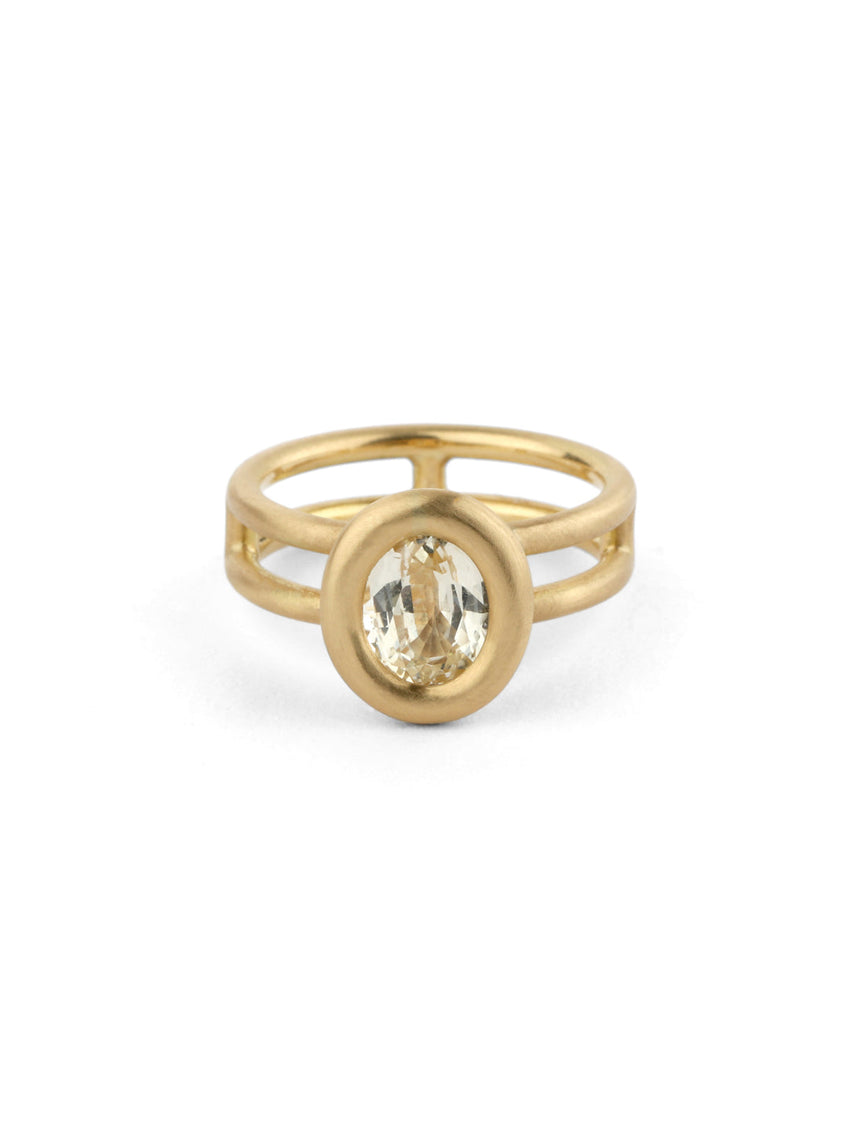
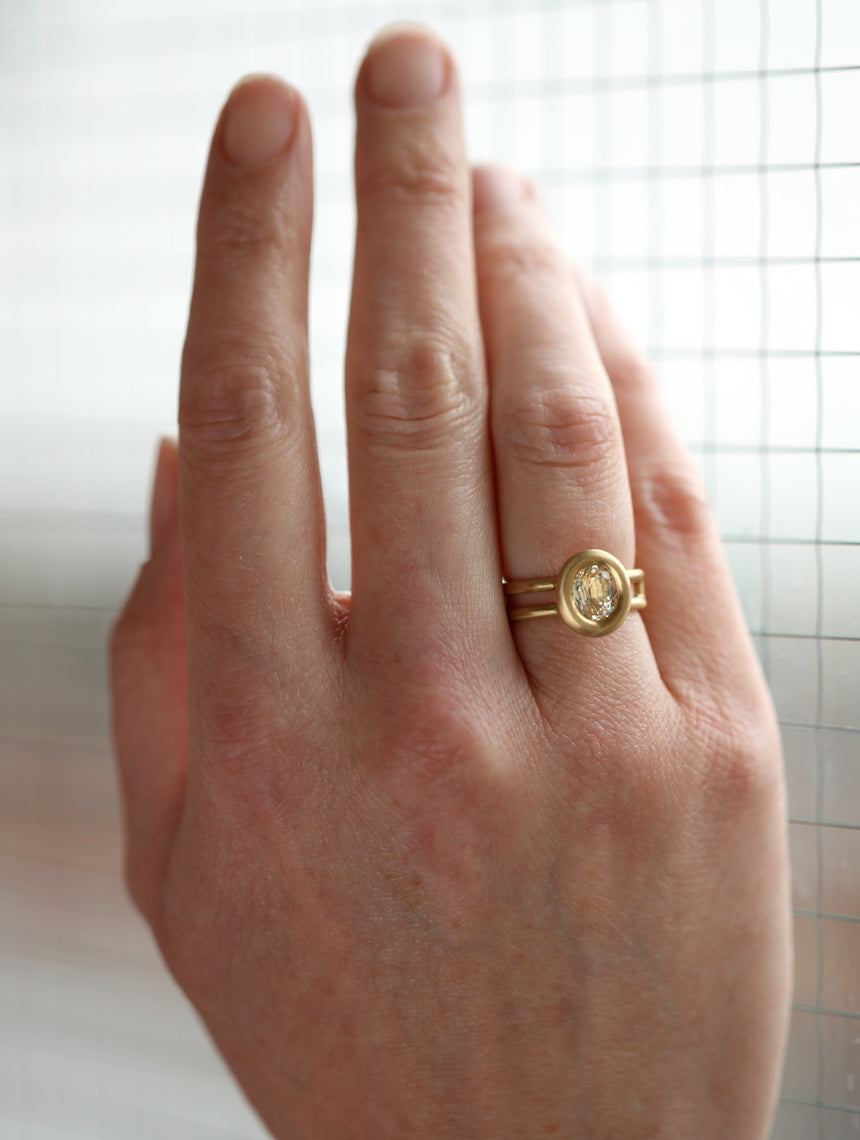
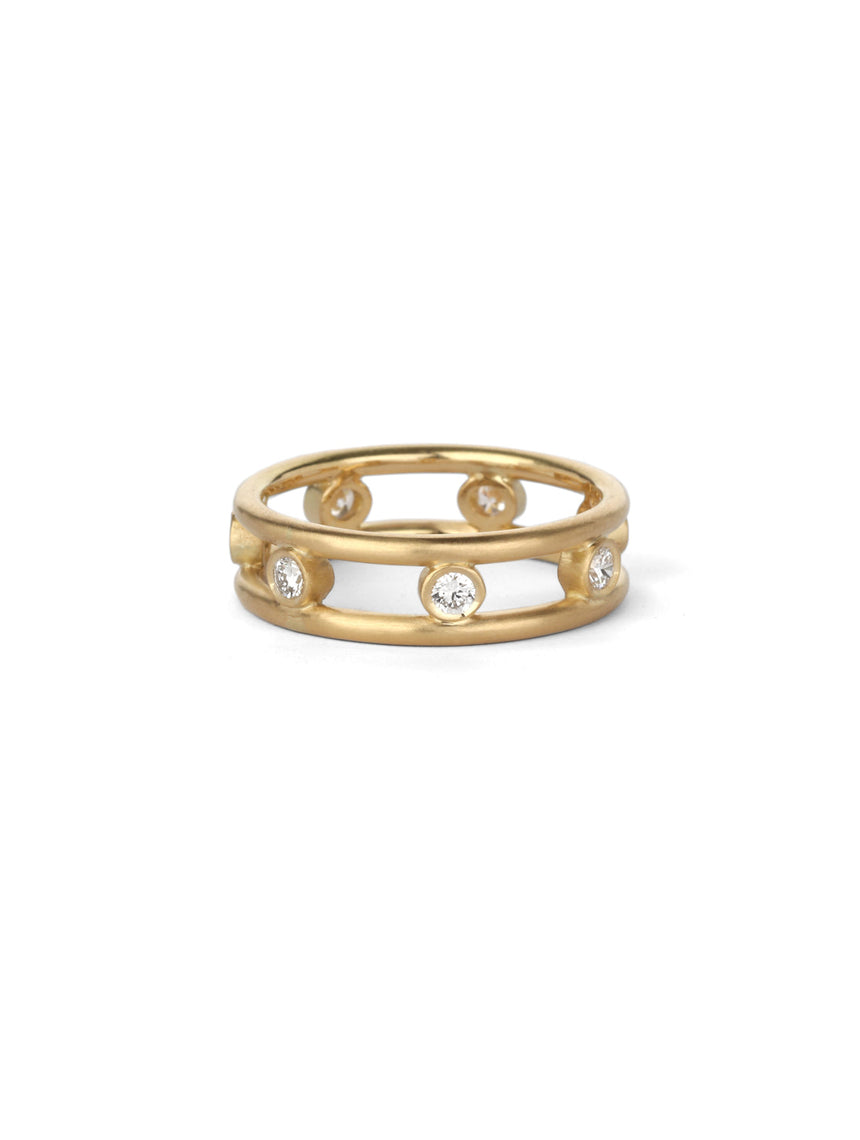
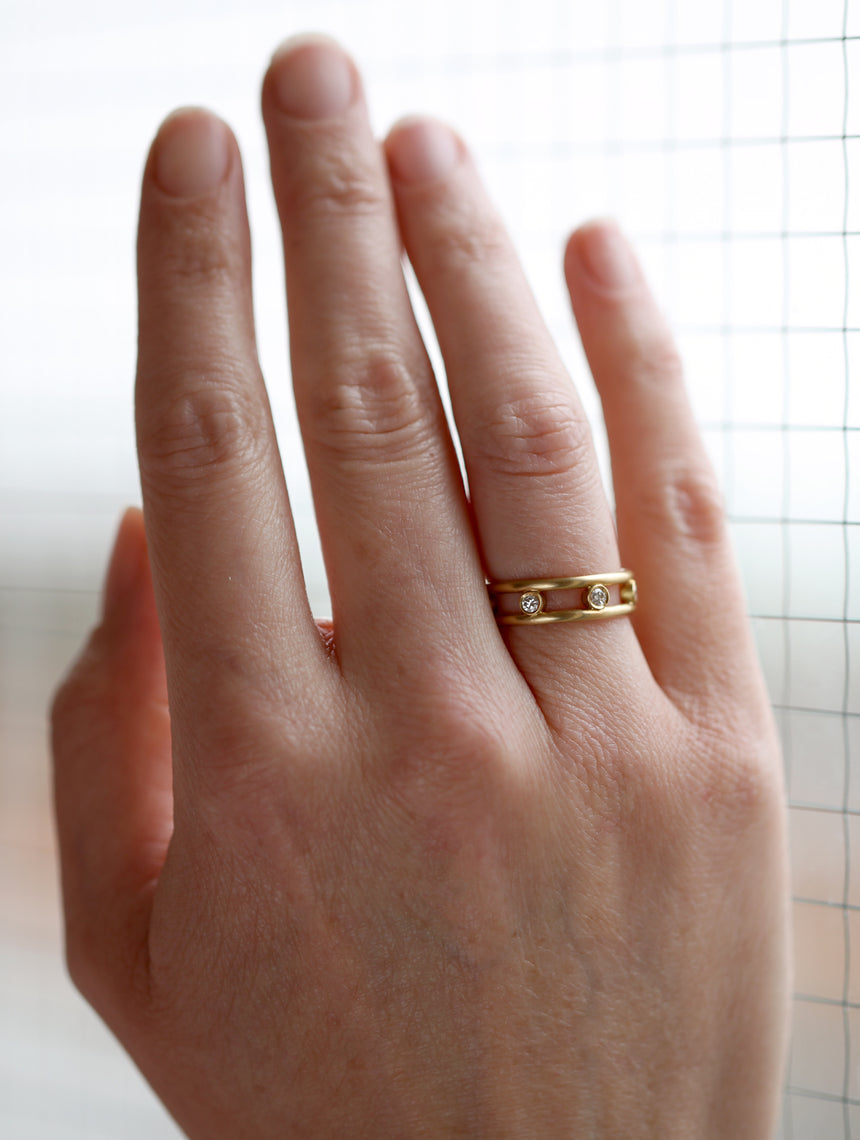
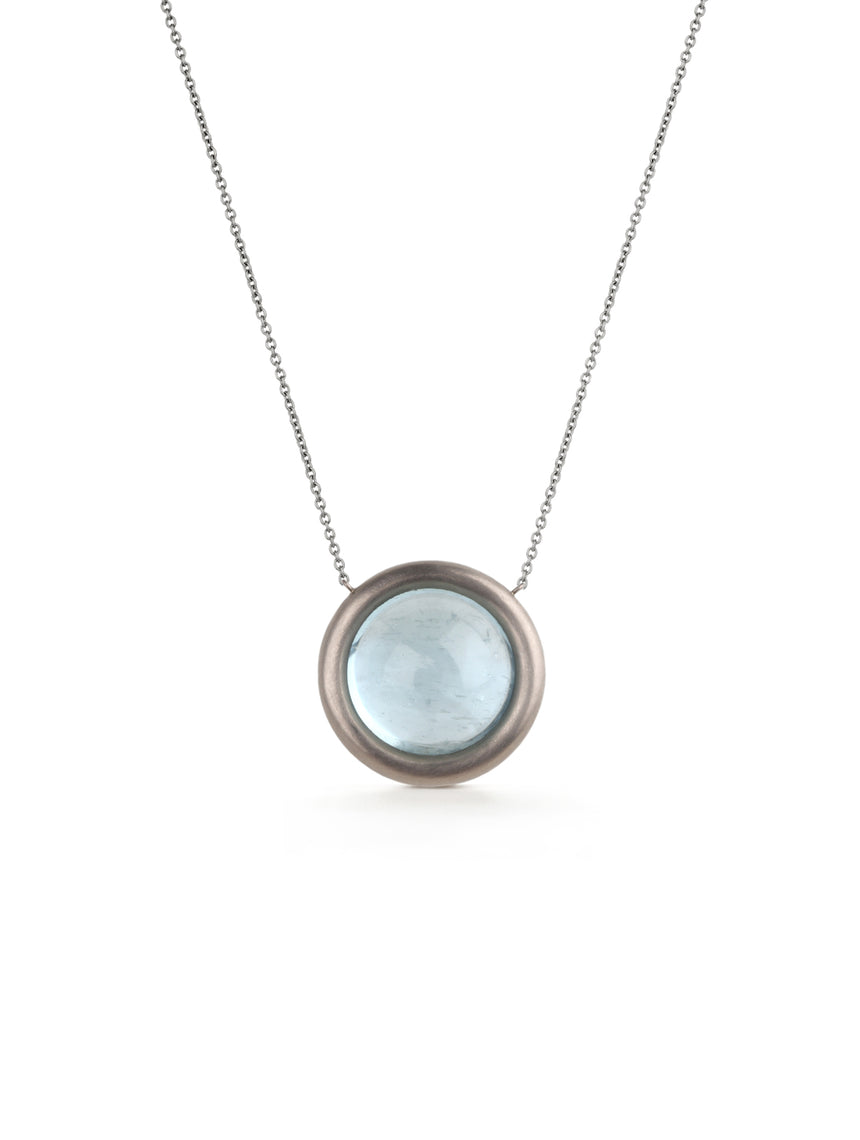
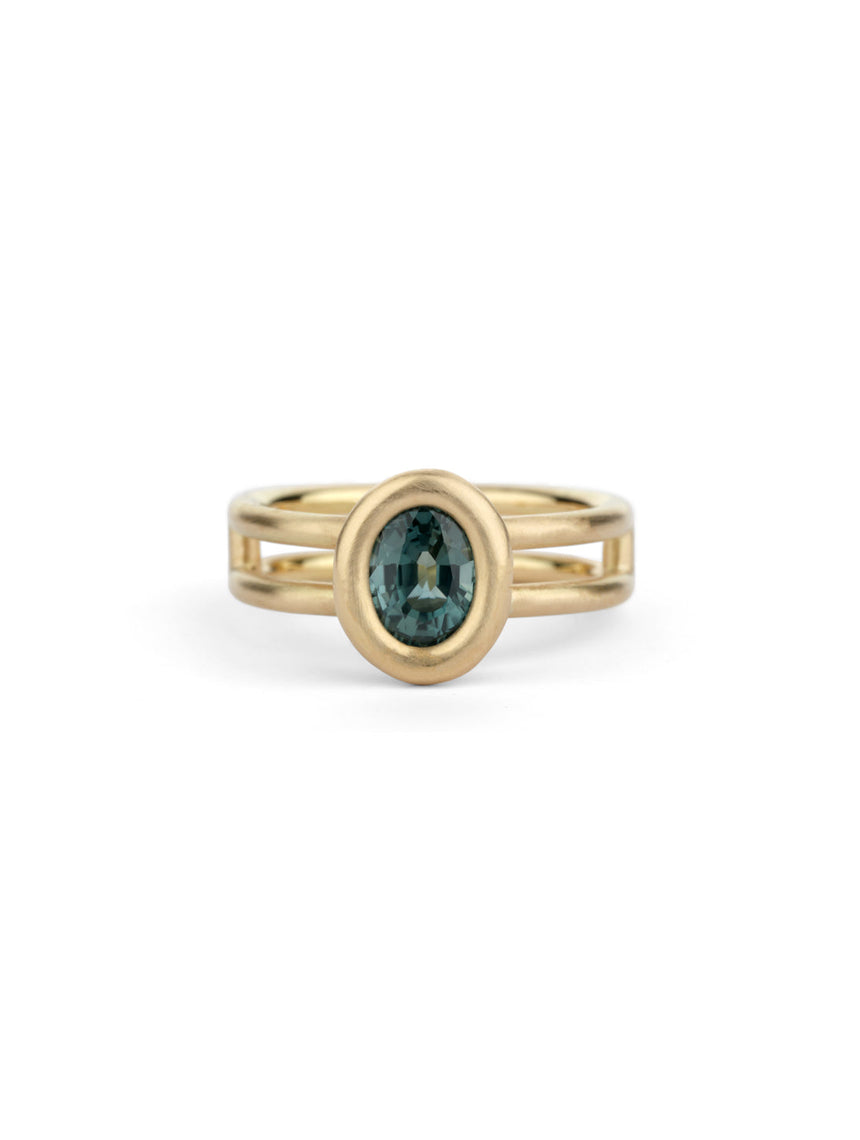
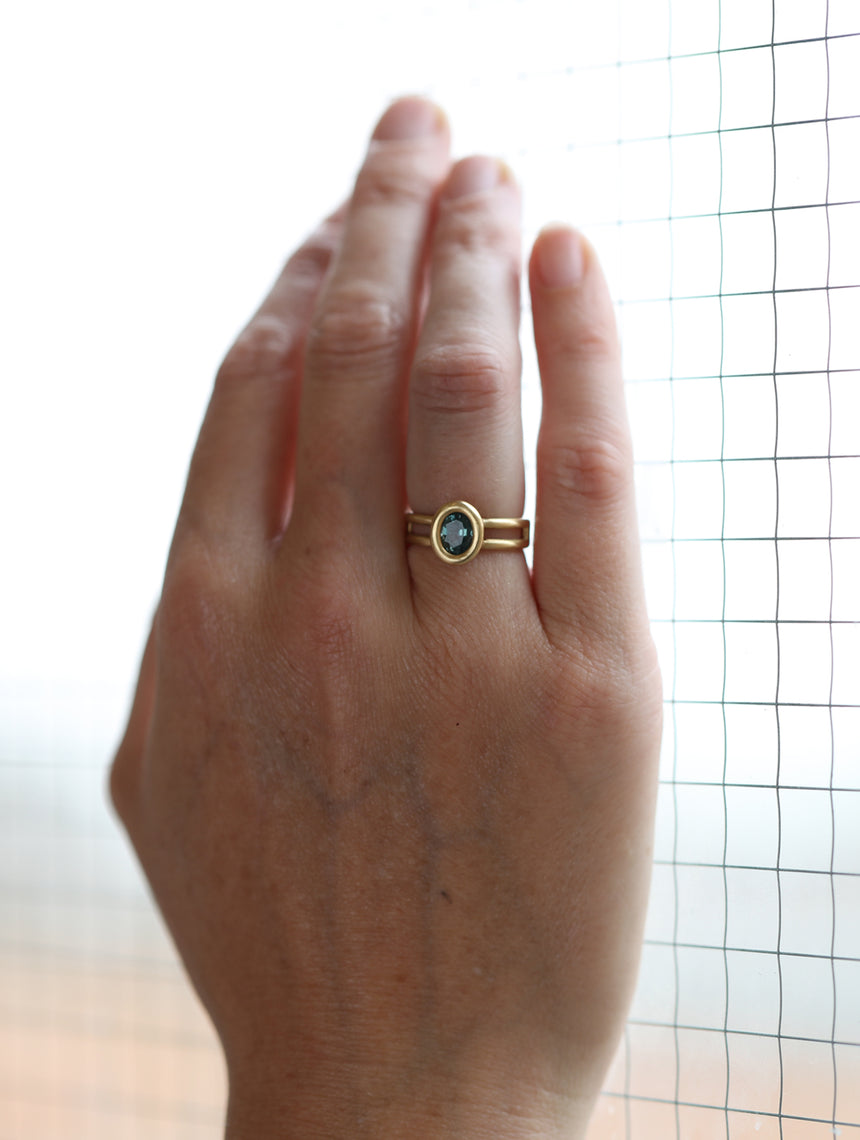
For our Convex collection we have partnered with a producer who is fully transparent, offers certified and traceable lab grown diamonds, and has robust practices in place that genuinely benefit its workers and the environment.