Amethyst is one of the most popular gemstones in the world of jewellery, admired for its distinctive purple tones and its long association with symbolism, craftsmanship, and geological wonder. As the traditional birthstone for February, it has come to represent qualities such as clarity, balance, and quiet strength, making it especially meaningful for those born in the final month of winter. Beyond its role as a birthstone, amethyst carries a rich history shaped by ancient belief, linguistic heritage, and the natural processes that give rise to its colour and crystalline form.
The name amethyst comes from the ancient Greek word amethystos, meaning “not intoxicated.” This etymology reflects a widespread classical belief that the stone could prevent drunkenness or clear the mind. In ancient Greece and Rome, amethyst was commonly carved into drinking vessels or worn as rings during banquets, a practice that symbolised moderation rather than literal sobriety. The linguistic roots of the gem tell us as much about cultural values as they do about the stone itself: amethyst was associated with clarity, restraint, and balance, qualities that later carried into religious and royal symbolism.
Historically, amethyst has been used in jewellery for over two millennia. In the ancient world, it was considered as valuable as ruby or emerald, particularly when deep purple specimens were scarce. Egyptian jewellers worked amethyst into amulets and seals, while medieval European craftsmen set it into ecclesiastical rings and crosses. The gem became strongly associated with the Christian church, where its purple colour echoed ideas of spiritual authority and humility. Bishops’ rings traditionally featured amethyst, a custom that persists today. Its status as a precious stone only shifted in the eighteenth century, when large deposits were discovered in Brazil, making high-quality material more widely available.
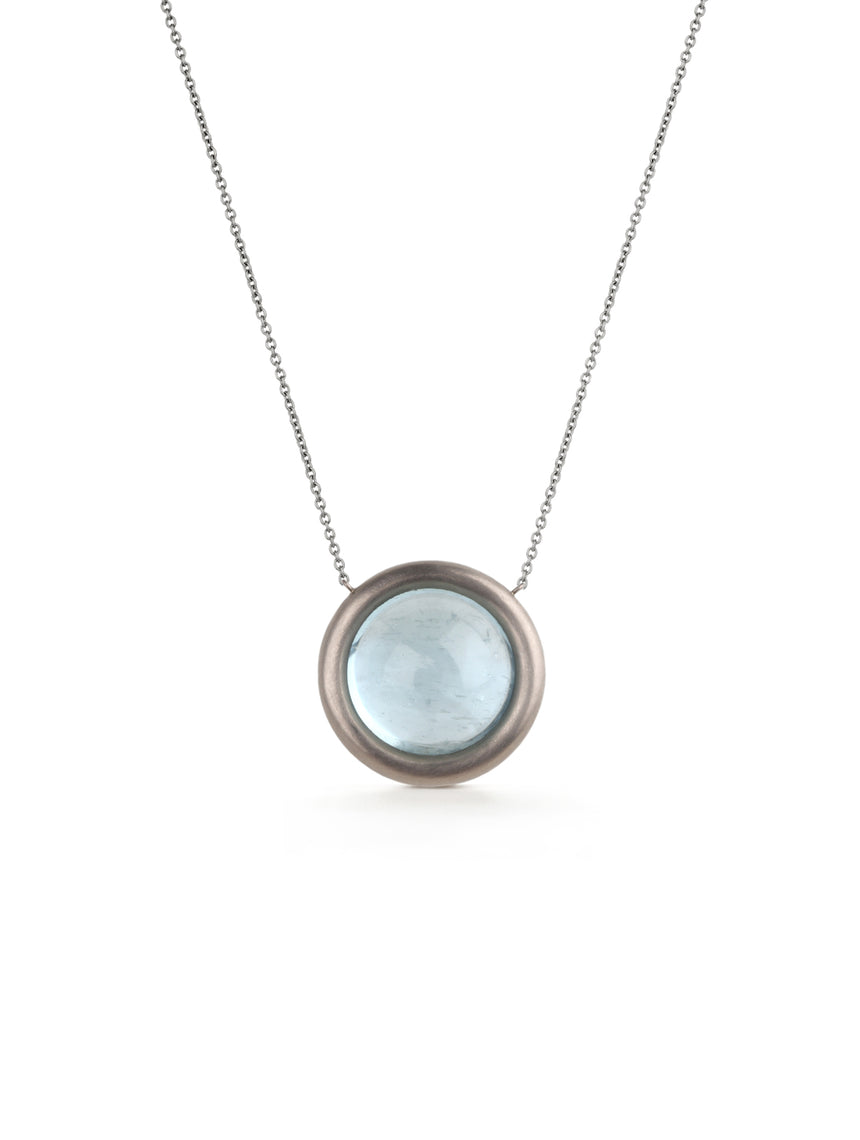
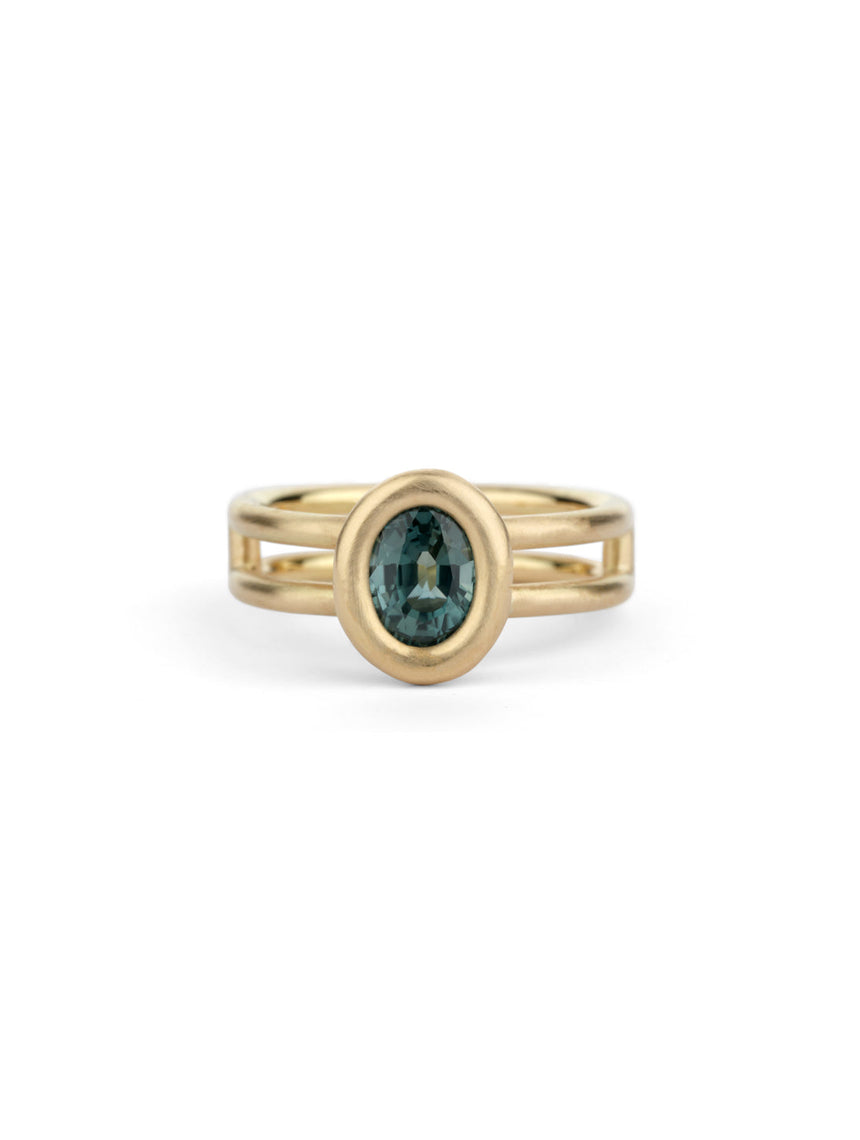
Despite this change in market value, amethyst never lost its prestige. In jewellery design, it has remained a favourite for both statement pieces and delicate settings. Victorian jewellers embraced it for its romantic colour, Art Deco designers used it for bold contrast, and contemporary makers continue to explore its versatility across gold, silver, and platinum. Its durability and colour range make it particularly adaptable, whether faceted for brilliance or cut en cabochon to emphasise depth and saturation.
From a gemmological perspective, amethyst is a macrocrystalline variety of quartz composed of silicon dioxide. Its hardness, measured at 7 on the Mohs scale, makes it suitable for everyday wear as pendant or earrings, though it still requires thoughtful handling to avoid abrasion from harder materials. The purple colour, which can range from pale lilac to deep, almost bluish violet, is caused by trace amounts of iron within the crystal lattice, combined with natural irradiation over geological time. Heat and light play important roles in the stone’s appearance; excessive exposure to sunlight can fade the colour, while controlled heat treatment can alter it, sometimes transforming amethyst into yellow quartz sold as citrine.
Mineralogically, amethyst typically forms in geodes and cavities within volcanic rock. As silica-rich solutions cool and crystallize along the walls of these voids, well-formed prismatic crystals develop, often pointing inward toward the centre of the cavity. Some of the world’s most striking specimens come from Brazil and Uruguay, where large geodes can reach human height and display intensely saturated colour. Other notable sources include Zambia, Madagascar, and Russia’s Ural Mountains, each producing material with slightly different colour characteristics and crystal habits.
What makes amethyst particularly interesting is the way it sits at the intersection of accessibility and meaning. It is a gemstone with royal ancestry and scientific intrigue, equally at home in museum collections and modern jewellery boxes. Its story is written in ancient languages, volcanic rock, and carefully polished facets. Whether appreciated for its symbolism, its beauty, or its mineral structure, amethyst remains a gem that can captivate.